


Whether you’re new to camping or a regular camper, understanding common tent terminology can make choosing the right setup much easier. From flysheets and groundsheets to hydrostatic head ratings and king poles, this guide explains the most common camping terms and features you’re likely to come across when buying a tent.

Types of Tent
Different types of tent are designed for different camping styles, group sizes, and weather conditions. Understanding the differences between them can help you choose the best setup for your camping trip.
What Is a Pop Up Tent?
Pop up tents use a pre-coiled frame which automatically springs into shape for quick and easy pitching. Lightweight and compact, they’re commonly used for festivals and short camping trips.
What Is an Air Tent?
Air tents use inflatable air beams instead of traditional poles to create their structure. Designed for fast and hassle-free pitching, they’re a popular choice for family camping and longer outdoor stays.
What Is a Dome Tent?
Dome tents use two flexible poles which cross over to create a stable dome-shaped structure. Lightweight and easy to pitch, they offer good stability for a wide range of camping trips.
What Is a Tunnel Tent?
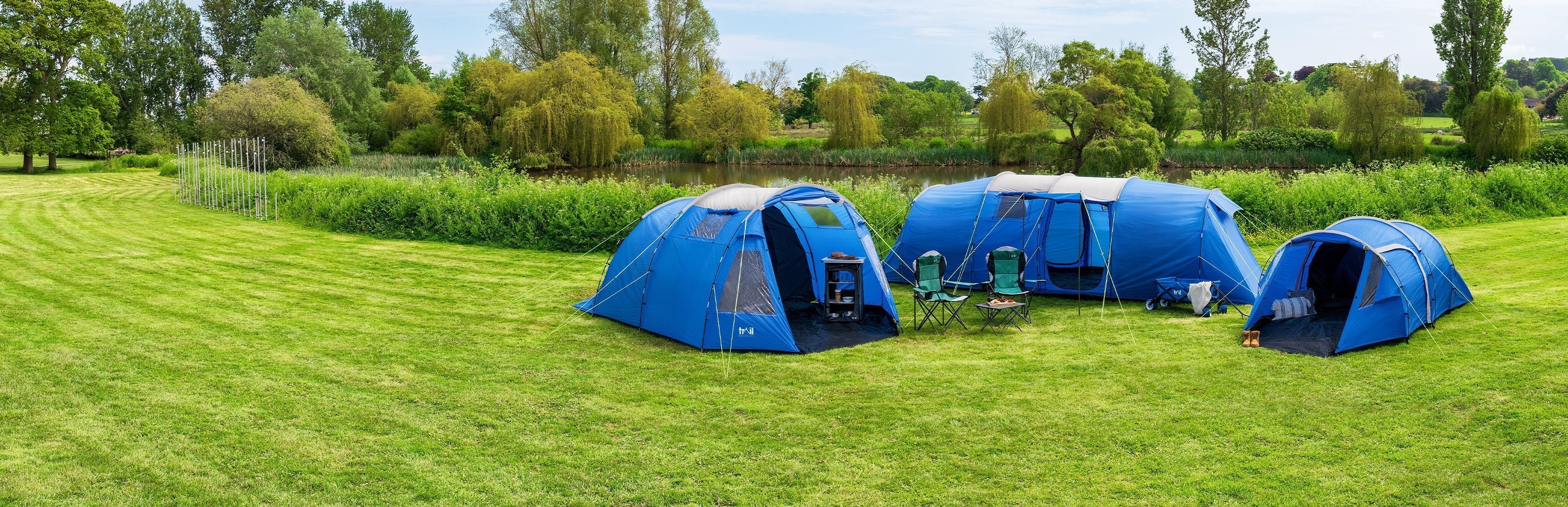
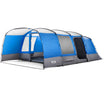
Tunnel tents use curved poles to create a long structure with generous headroom and living space. Popular with families and larger groups, they’re ideal for longer camping trips where extra space is needed.
Common Tent Components & Features Explained

What Is a Flysheet?
A flysheet is the outer waterproof fabric of a tent, designed to protect against rain, wind, and condensation. Usually made from durable polyester, its level of waterproof protection is measured using a Hydrostatic Head rating.
What Is a Hydrostatic Head?
A Hydrostatic Head (HH) rating measures how waterproof a tent fabric is. The higher the HH rating, the greater the protection against rain, with 1500mm suitable for light showers and 3000mm to 5000mm better suited to heavier downpours.
What Is a Bedroom Pod?
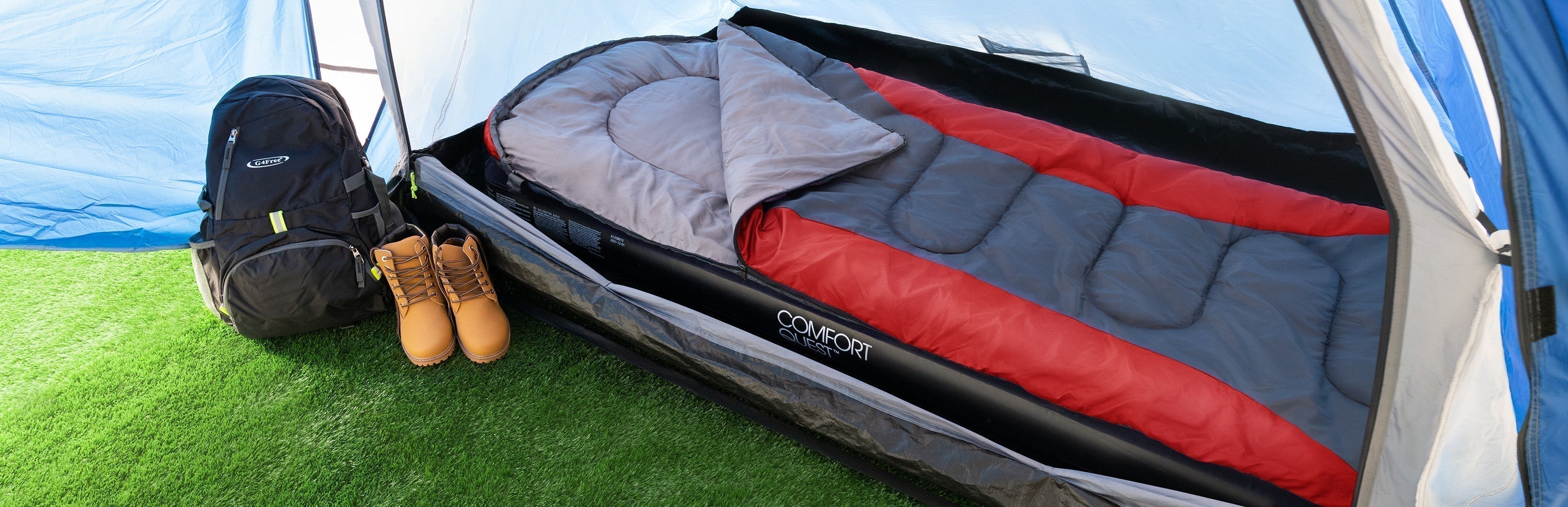
A bedroom pod is the inner sleeping area of a tent, designed to create a warmer and more comfortable space for sleeping. Most include zipped entrance doors for added privacy and to help reduce light entering in brighter conditions.
What Is a Groundsheet?
A groundsheet is the floor of a tent, designed to protect against damp, draughts, and insects. Some tents have a sewn-in groundsheet permanently attached, while others use a removable groundsheet with raised sides for protection.
What Is a Living Area?
A living area is the main communal space inside a tent, designed for relaxing, dining, and storing camping gear. Larger tents often have enough headroom to stand inside, as well as space for tables, chairs, and other furniture.
What Are Mesh Vents?
Mesh vents are breathable panels designed to improve airflow inside a tent while helping to keep insects out. Many tents also include secondary mesh doors to increase ventilation, reduce condensation, and keep you cooler in warmer weather.
What Is a Darkened Bedroom?
A darkened bedroom uses darker fabric to help block out sunlight and keep the inside cooler. Designed to create a darker sleeping environment, they help reduce early morning light for a more comfortable and restful night’s sleep.
What Is a Cable Access Point?
A cable access point is an opening in a tent designed to safely feed electrical cables inside from an external hook-up point. It allows you to power camping accessories such as lights, chargers, and kettles more conveniently.
What Is a Lantern Hook?
A lantern hook is a hanging point attached to the ceiling of a tent for suspending lights and other lightweight items. Commonly found in larger tents, it helps improve visibility inside the tent – perfect if you’re staying in at night.
What Is a Front Awning?
A front awning is a sheltered area outside the entrance of a tent, designed to provide extra outdoor living space. Ideal for relaxing, dining, and storing gear, it allows you to enjoy the fresh air while protecting you from the sun and rain.
What Are King Poles?
King poles are support poles used to prop open a tent entrance door and create a sheltered canopy area. As well as providing shade and rain protection, they help increase light and ventilation inside the tent to create a comfier living space.
What Are Fibreglass Poles?
Fibreglass poles are lightweight support poles used to create the structure of a frame tent. Designed in flexible sections with shock cords for easy assembly, they combine strength, stability, and compact storage for camping trips.
What Are Air Poles?
Found on air tents, air poles are inflatable support beams used instead of traditional tent poles to create a tent’s structure. Made from strong TPU material, they provide excellent stability and allow for faster and easier pitching.
What Are Guy-Lines?
Guy-lines are adjustable tensioned cords attached to a tent to improve stability in windy conditions. Pegged into the ground around the tent, they help keep the structure secure, balanced, and properly supported when camping.
What Is a Travel Bag?
A travel bag is a storage bag designed to carry and protect a tent when travelling or storing it between camping trips. Most are oversized to make packing the tent quicker, easier, and more convenient when preparing to leave the campsite.
Tent Technologies Explained
What Is a AGS Tech?
AGS Tech is an advanced guy-line system designed to improve a tent’s strength and stability in windy conditions. Using multiple anchor points for each guy-line, it helps keep the tent more secure without needing excessive support lines.
What Are Boston Valves?
Boston valves are air valves fitted to inflatable tent poles for easy inflation and deflation. Designed to create a secure pump connection, they help prevent air loss when inflating the tent for a faster, more convenient setup.
What Is a Safety Purge Pump?
Most inflatable tents include a safety purge pump for faster and easier inflation. Designed with a pressure-release valve, it automatically releases excess air once the tent is fully inflated to help protect the air poles from over-inflation.
Choosing the Right Tent
Now you’re familiar with common camping terms and tent features, it’s time to choose a tent for your camping trip. Read our Tent Buying Guide to learn about different tent types, key features, and find the best option for your next outdoor adventure.
Want to compare tent sizes, waterproof ratings, and key features side by side? Read our Compare Our Tents guide to explore the differences between our tents at a glance.