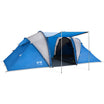
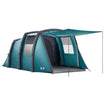
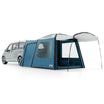
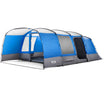

Choosing the right camping tent can make or break your trip. Whether you’re heading on a weekend getaway, festival adventure, or family holiday, the right setup will keep you comfortable, protected and ready for whatever the weather brings. This guide covers the key things to consider so you can choose the best tent for your needs.
Types of Camping Tent

From lightweight pop up tents for festivals to spacious air tents for family camping, each type of tent is designed with a different use in mind. Factors like space, comfort, setup time, and weather protection can all influence which tent is best for your trip. Here’s a quick comparison to help you decide.
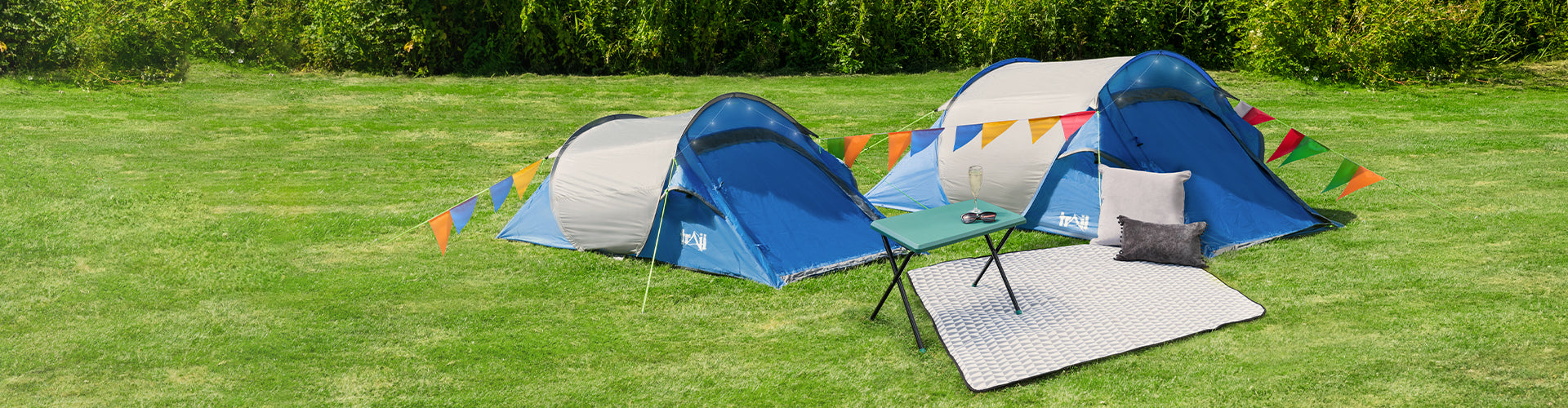
Pop Up Tents
Pop up tents are a popular choice for festival camping and short trips. Designed with a pre-coiled frame, they pop into shape in seconds for quick and easy pitching. Lightweight and compact, they’re a convenient, fuss-free option but tend to be smaller and less weather-resistant than other tent types.
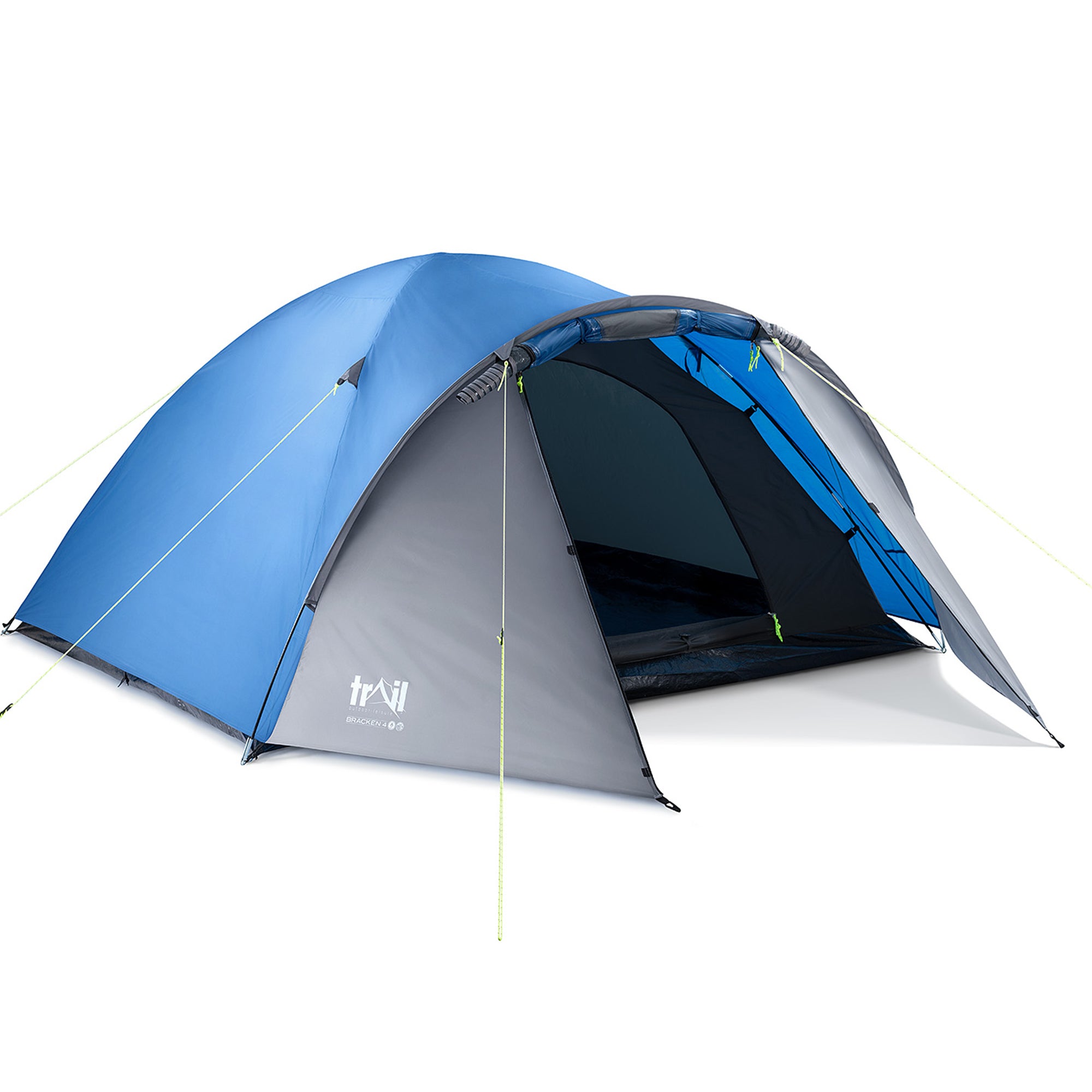
Dome Tents
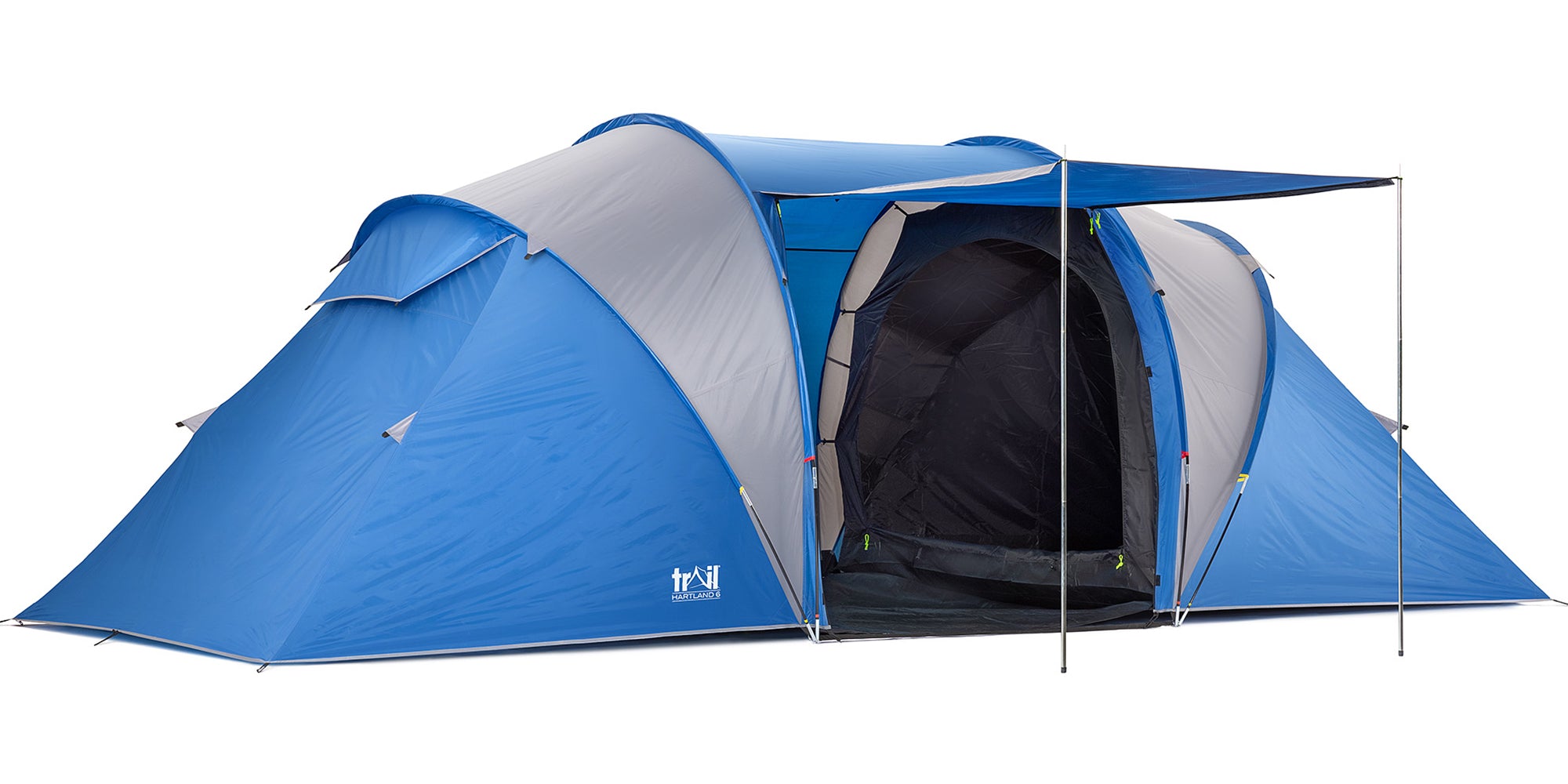
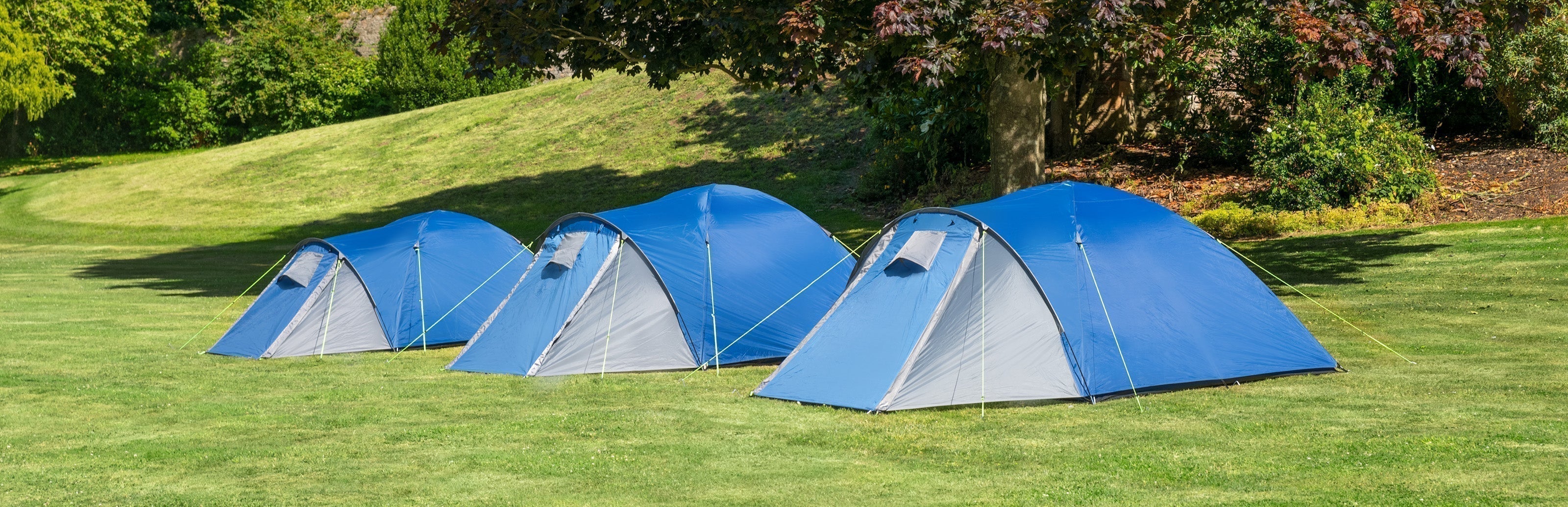
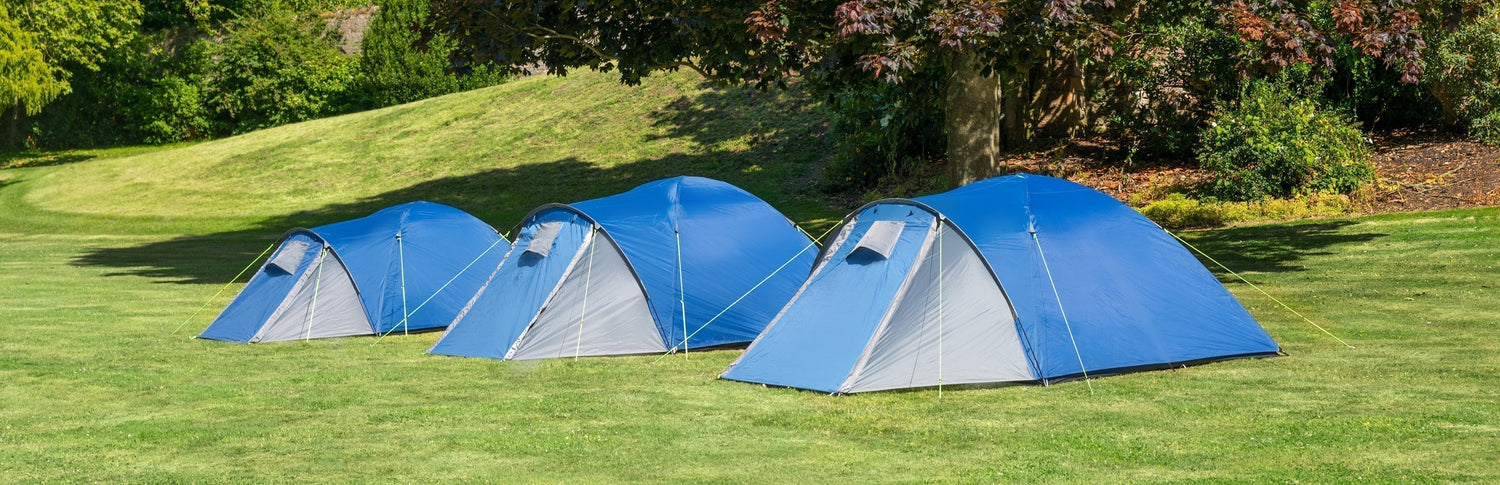
Dome tents feature two poles that cross over in the middle to create a stable, dome-shaped structure. This design offers good strength and wind resistance, making them suitable for a range of conditions. Easy to pitch and versatile, they often include a sleeping area and porch space for storing gear.
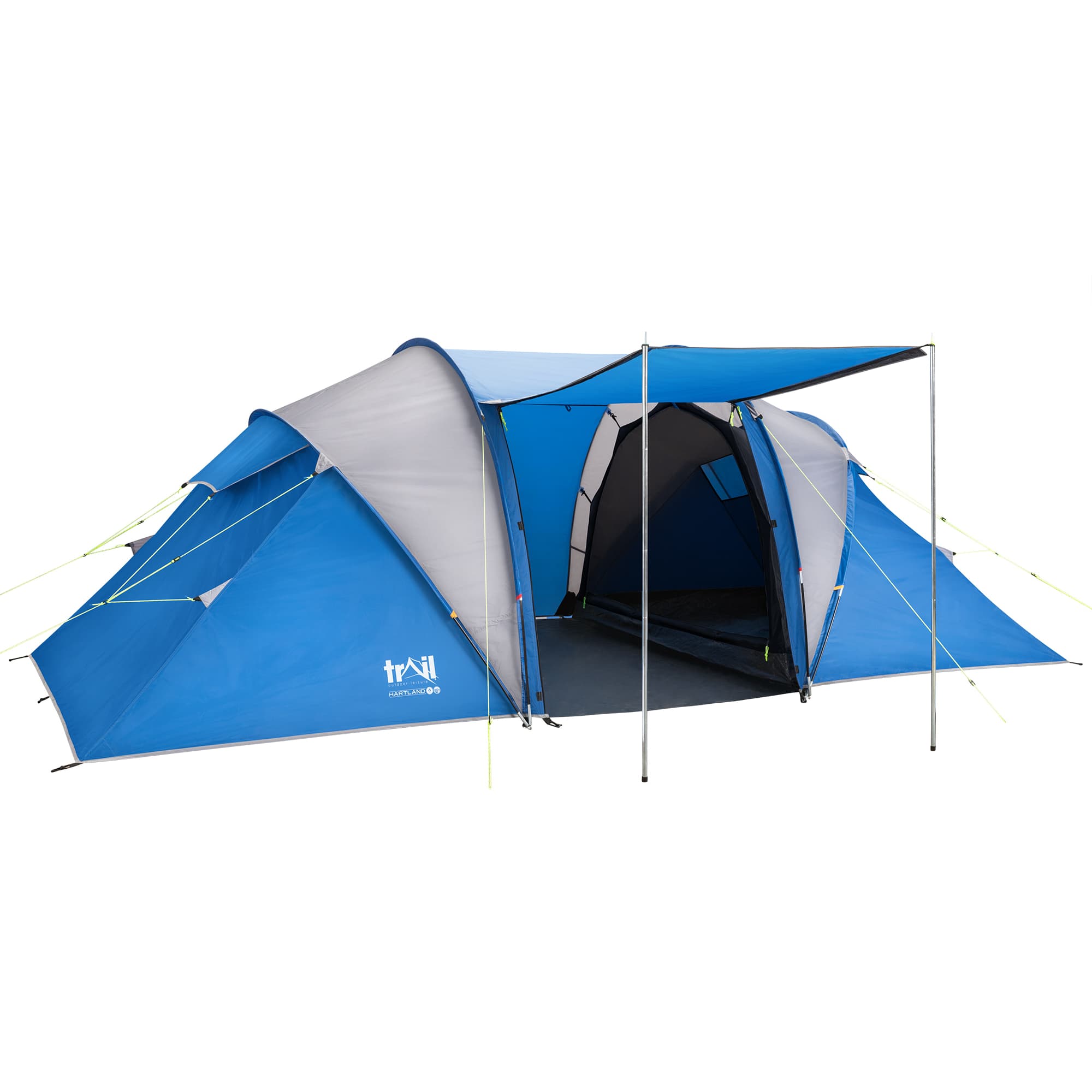
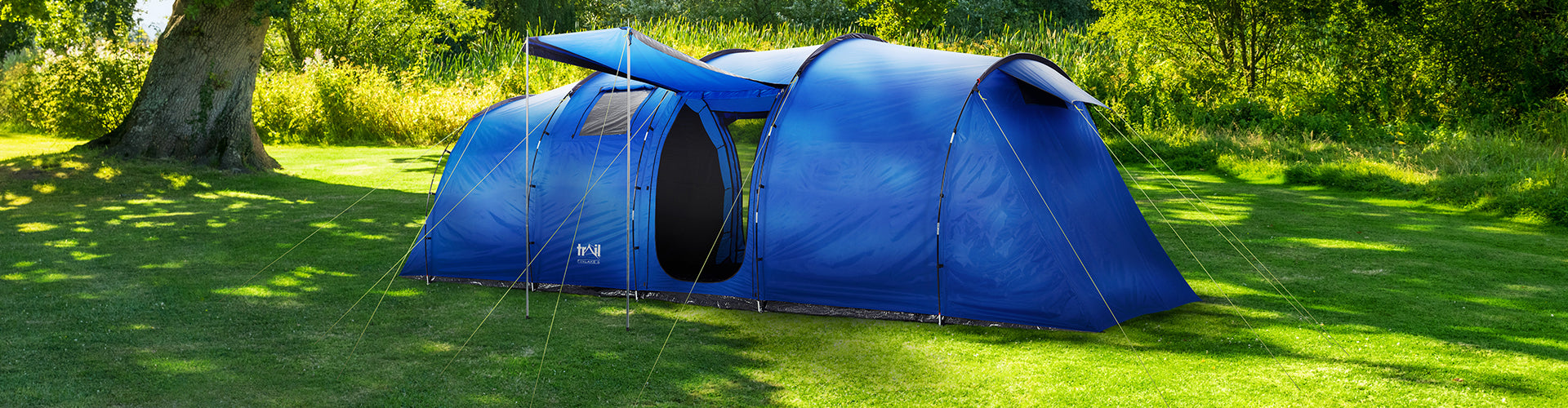
Tunnel Tents
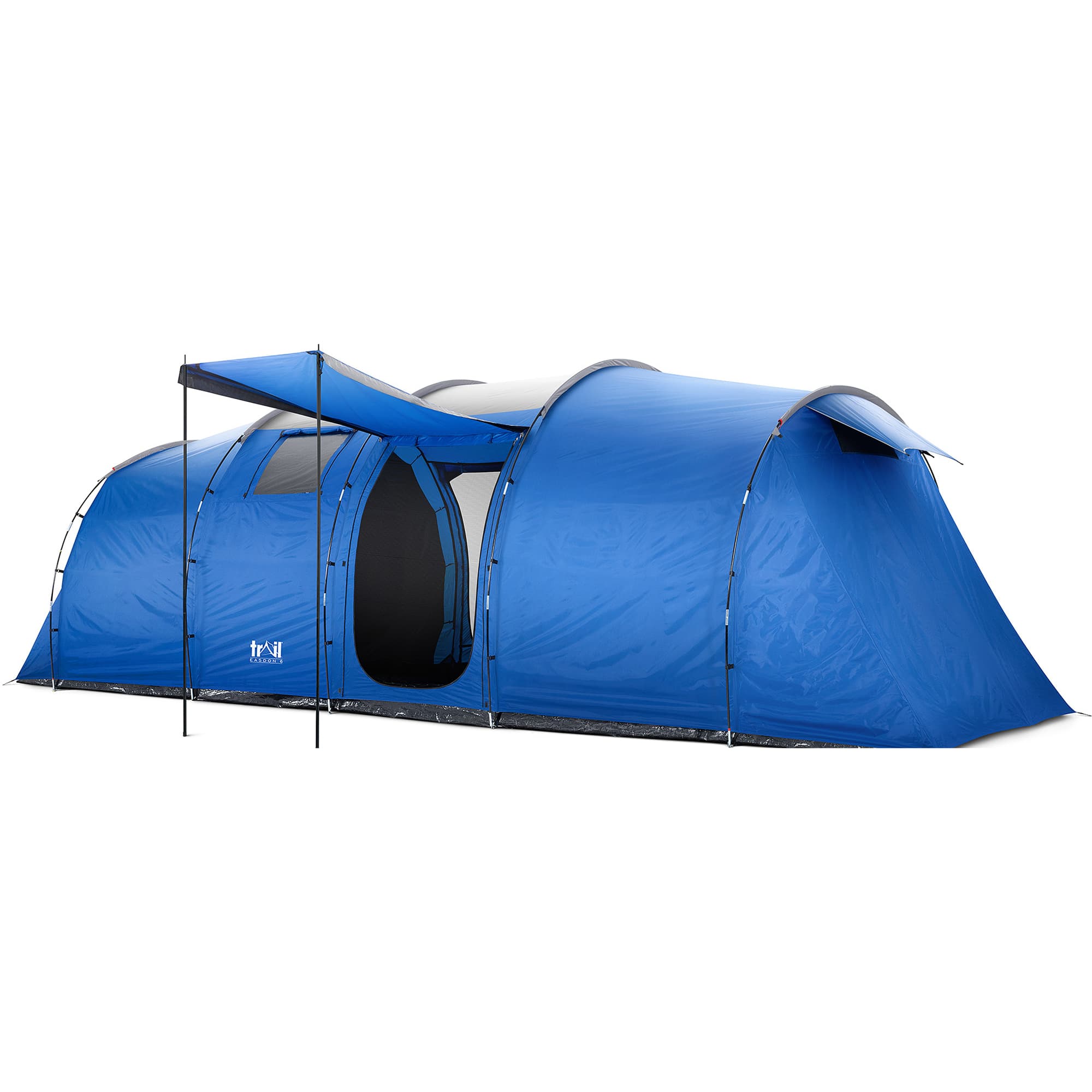
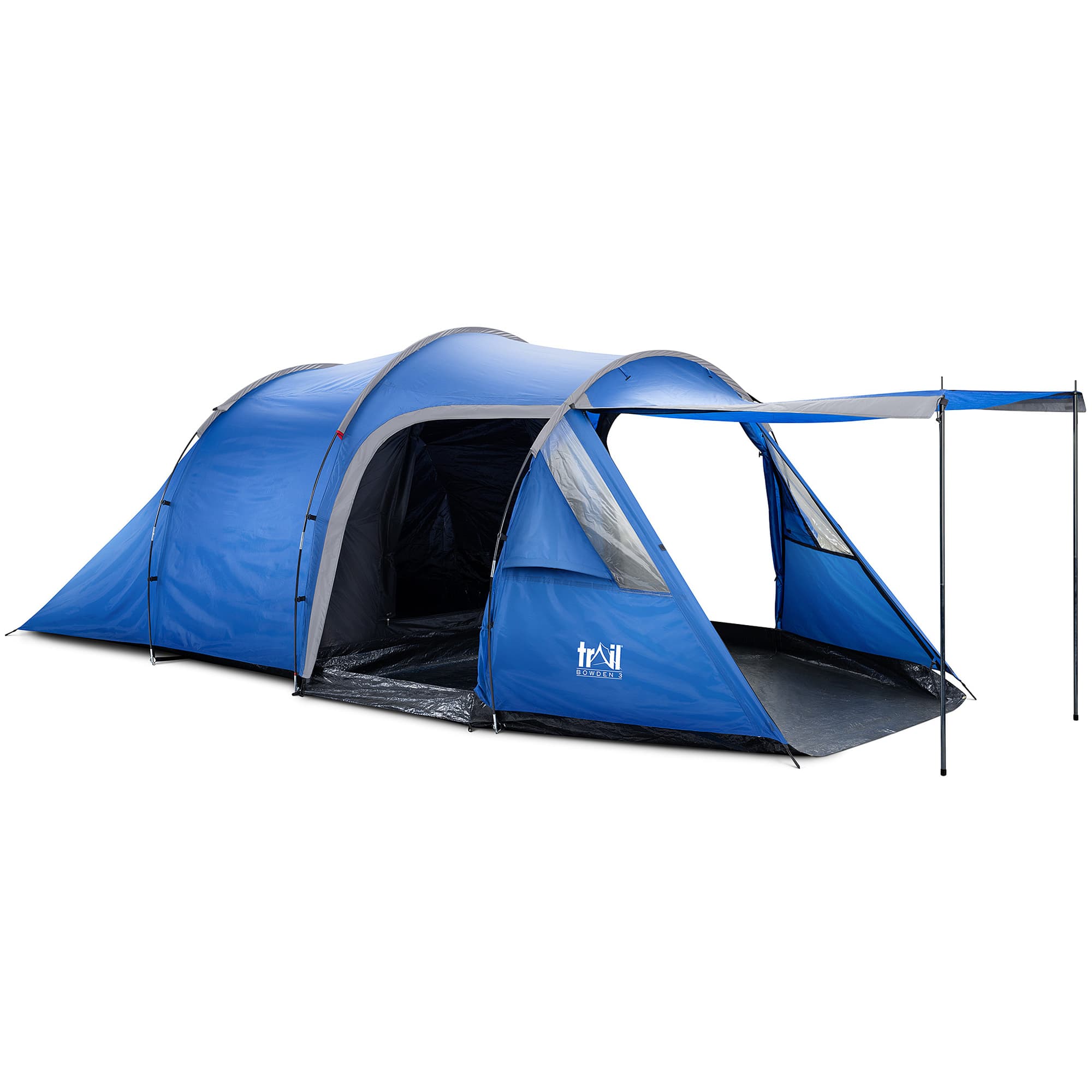
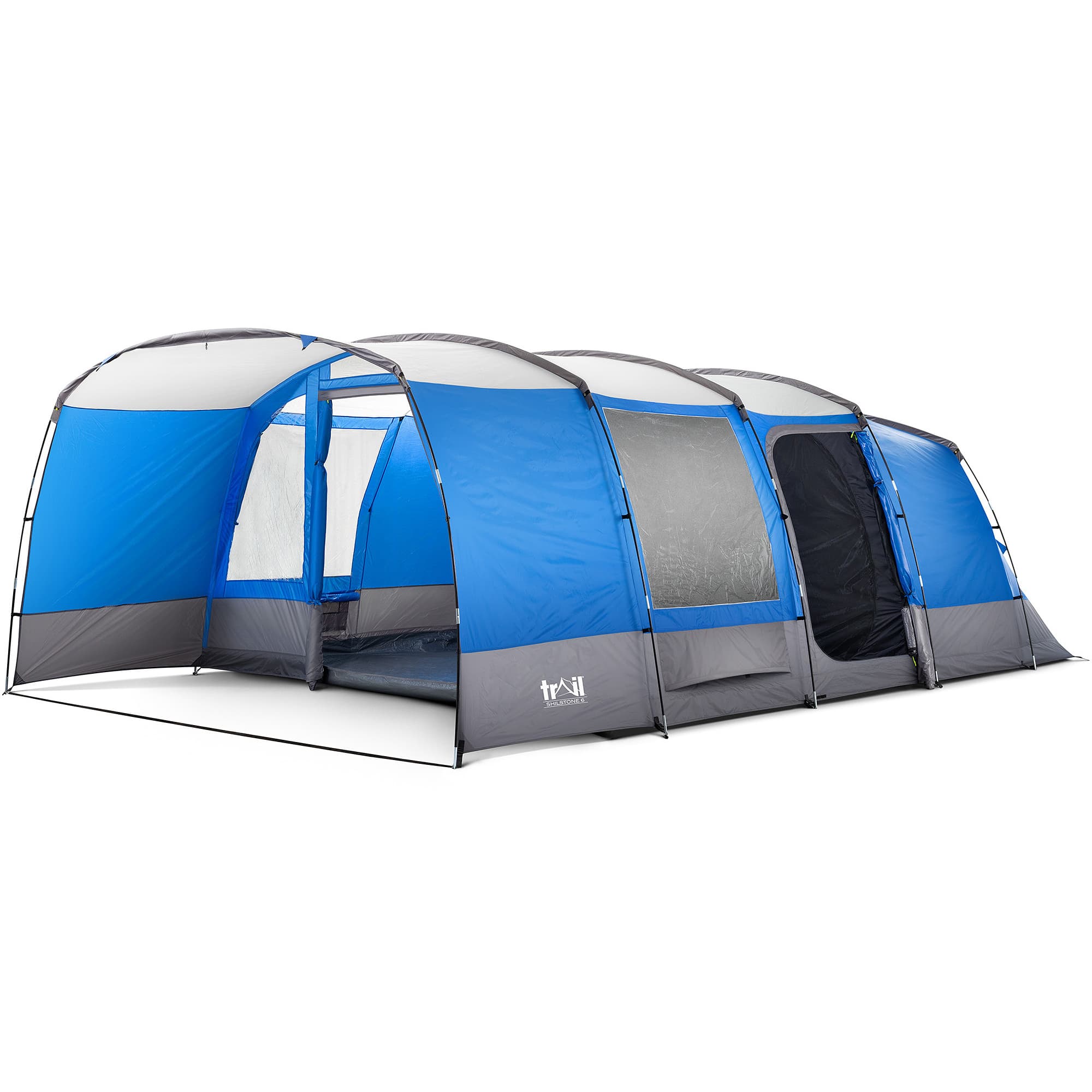
Tunnel tents use arched poles to create a long, spacious structure with plenty of headroom. Designed for larger groups or families, they typically include multiple bedrooms and a living area for added comfort. Their size makes them ideal for longer camping trips where extra space is needed.
Air Tents
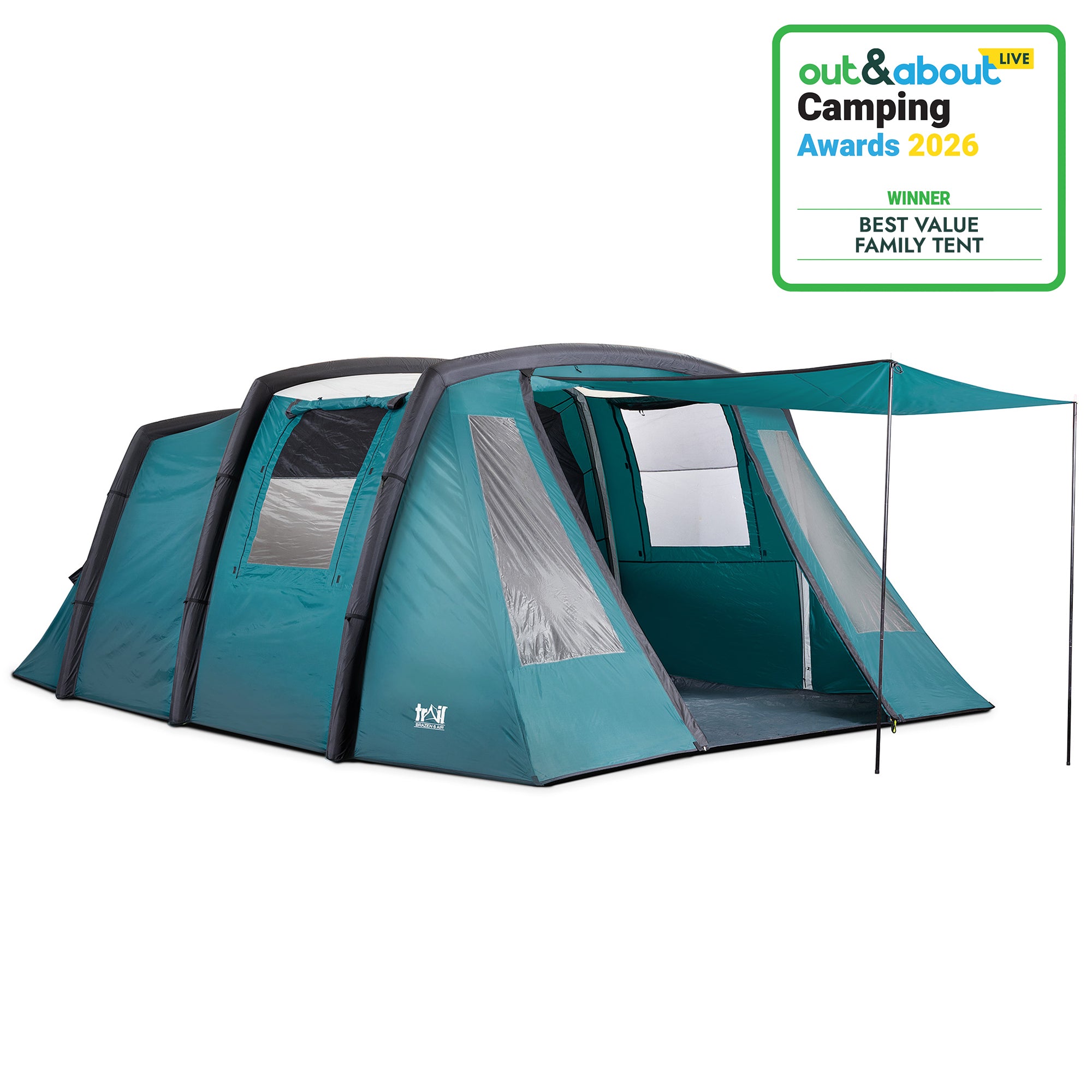
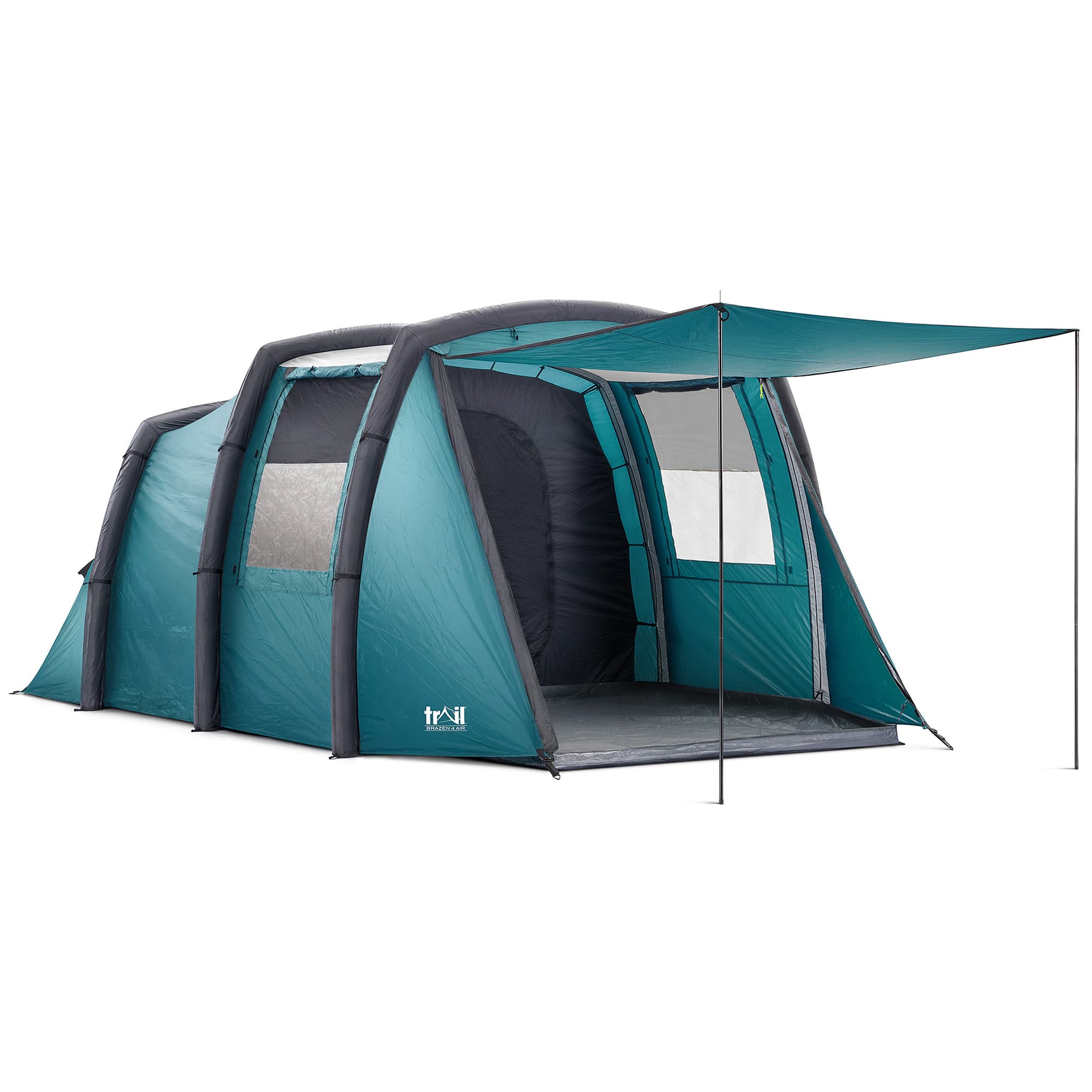
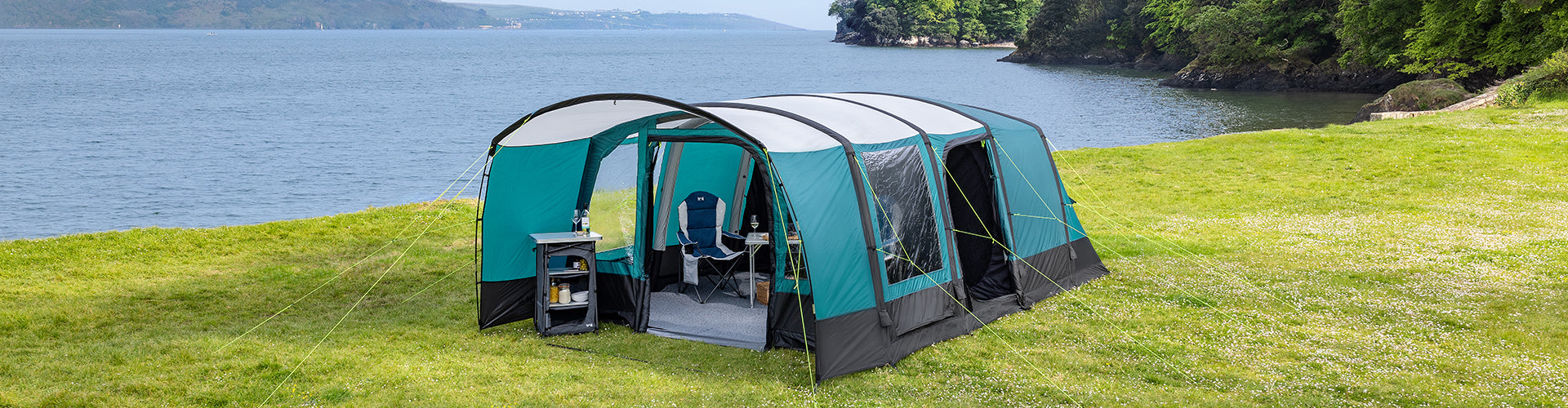
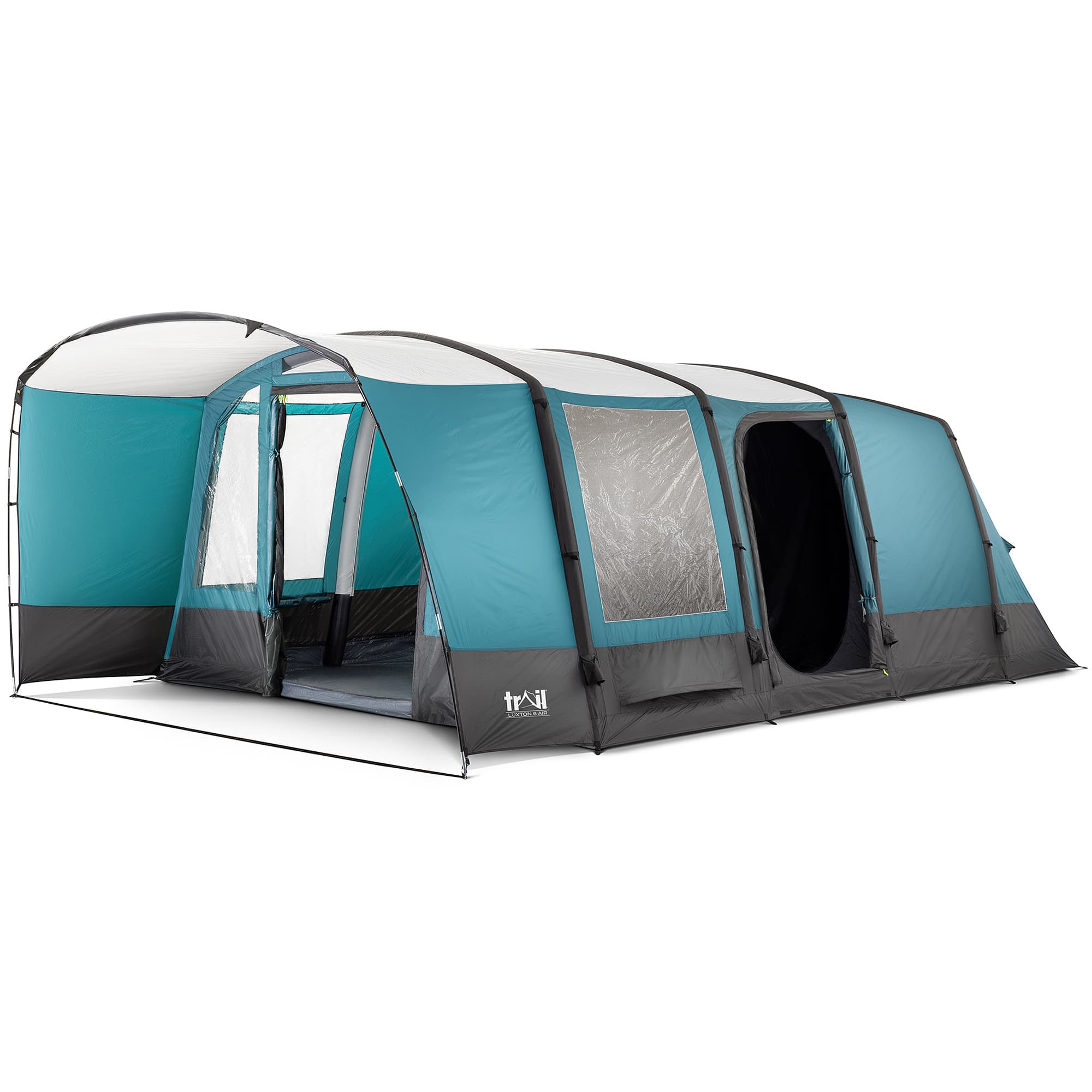
Air tents are designed for fast, hassle-free setup. Instead of traditional poles, they use inflatable beams that can be pumped up in minutes. Spacious, comfortable and stable when pitched, they’re ideal for campers who want a more relaxed setup, with strong waterproof protection for changeable weather.
Key Features to Consider
Sleeping Capacity
Sleeping capacity gives you an idea of how many people a tent can accommodate, but it’s often based on a tight layout. If you’re looking for extra comfort and room to store your gear, it’s worth choosing a tent one size up. For example, choosing a 3-man tent for 2 people will give you additional sleeping space.
Ease of Setup
A tent’s setup style can make a big difference to your camping experience. Pop-up tents are the quickest to pitch, while traditional pole tents take longer but provide greater stability and structure. Air tents combine fast, fuss-free pitching with excellent space, stability and comfort, making them a popular all-round choice.
Waterproof Rating
A tent’s waterproof rating, measured in Hydrostatic Head (HH), tells you how well it protects against the rain. The higher the rating, the more waterproof the fabric. Generally, 1500mm is suitable for light rain, 3000mm is ideal for heavier rain, and 5000mm provides reliable protection from torrential downpours.
Ventilation
Good ventilation helps reduce condensation and create a more comfortable living space, especially in warmer weather. Look for features like air vents, mesh panels and secondary mesh doors to improve airflow throughout the tent. This helps prevent the build-up of moisture inside while keeping the interior cool, fresh and comfortable.
Weight & Pack Size
A tent’s weight and pack size are important to consider when planning your trip. Lightweight, compact tents are ideal for festivals and shorter trips where portability is key. Larger tents offer more space and comfort but can be heavier and bulkier to transport, making them better suited to campsites where you’re travelling by vehicle.
Want to learn more about common camping terms and tent features? Read our Tent Terminology Guide to understand features like hydrostatic head ratings, groundsheets, guy-lines, and darkened bedrooms.
Upgrading Your Camping Setup
Looking to make your camping experience more comfortable? Adding a tent carpet is a simple way to upgrade your setup. Designed with a fleece top, insulating foam core, and waterproof base, they provide a warmer, comfier feel underfoot. Available in a range of sizes, they’re designed to fit most tents, including all tents in our range.
For extra protection, a tent footprint is a smart investment. Placed underneath your tent, it helps protect the groundsheet from dirt, damp, and rough or stony ground. As well as keeping your groundsheet clean, it can help extend its lifespan over time. Available in a range of sizes, our tent footprints are designed to fit all tents in our range.
Introducing our Camping Tents
Now you’re familiar with the different types of tent, it’s time to choose the right one for your needs. Whether you’re heading to a festival, planning a family camping trip, or looking for a more comfortable camping experience, the right tent comes down to size, features, and how you plan to use it.
To help you decide, we’ve rounded up our top tents for festivals, families, short breaks, and luxury camping. Each option includes key features such as sleeping capacity, waterproof rating, and groundsheet type, so you can easily compare and find the best tent for your budget and camping style.