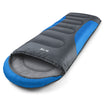

Choosing the right sleeping bag can make a huge difference to your camping experience. The best sleeping bag for your trip will depend on factors like season rating, pack size, and the temperatures you’re likely to camp in. Whether you’re heading to a summer festival, family campsite, or colder outdoor adventure, this guide explains how to choose a sleeping bag that keeps you warm, comfortable, and well-rested.
Insulated Filling

The warmth of a sleeping bag is determined by the amount of insulated filling inside it, which is measured in grams per square metre (GSM). Generally, the higher the GSM rating, the warmer and better insulated the sleeping bag. Sleeping bags with a lightweight synthetic hollowfibre filling are ideal for warmer weather, while colder conditions usually call for a thicker filling for extra warmth and comfort.
Season Rating
All our sleeping bags have a season rating to help you choose the best option for the time of year you’re camping. While factors like tent temperature and sleeping mat insulation can also affect warmth and comfort, season ratings are a useful guide when comparing options.
1 Season (100–150 GSM)
One season sleeping bags are lightweight and designed for hot summer weather and festivals. Because UK nights can still feel cool during the summer, many campers prefer the extra warmth of a two season sleeping bag.
2 Season (150–250 GSM)
Two season sleeping bags are designed for summer camping in the UK and offer a good balance of warmth and comfort. In milder conditions, they can also be suitable for camping during late spring and early autumn.
3 Season (250–350 GSM)
Three season sleeping bags are ideal for spring, autumn, and cooler summer nights. They provide extra insulation for lower temperatures and can also be suitable for mild winter camping conditions.
4 Season (350–450 GSM)
Four season sleeping bags are designed for cold weather and winter camping. Their thicker insulation provides extra warmth and comfort in low temperatures, although they may feel too warm for use during the summer months.
Comfort Rating
All sleeping bags have a comfort rating to highlight the temperatures they’re designed for. When used within their comfort range, they provide the best balance of warmth and comfort for a good night’s sleep.
If temperatures fall below the comfort range, the sleeping bag may become too cold to sleep in comfortably for long periods. Likewise, if temperatures rise above the comfort range, it may feel too warm and stuffy.
As a general guide, avoid using a sleeping bag more than five degrees below or above its comfort rating.
Types of Sleeping Bag

Sleeping bags come in a range of shapes and styles to suit different weather conditions and comfort preferences. While some are designed to maximise warmth in colder weather, others focus on lightweight comfort for summer camping and festivals. Here’s a closer look at some of the most popular types of sleeping bag and what they’re best suited for.
Envelope Sleeping Bags
Designed with a traditional rectangular shape, envelope sleeping bags offer extra room to move while sleeping. Lightweight and comfortable, they’re a popular choice for summer camping, festivals, and family trips in warmer weather.
Mummy Sleeping Bags
With their tapered shape, mummy sleeping bags fit closely around the body to help retain heat. Designed for cooler temperatures, they’re ideal for spring, autumn, and cold-weather camping where warmth and insulation are priorities.
Double Sleeping Bags
Designed for two people, double sleeping bags provide extra space and comfort when camping as a couple. Many styles can also be separated into two single sleeping bags for added flexibility on camping trips.
Kids Sleeping Bags
Smaller in size than standard sleeping bags, kids sleeping bags are designed to help children stay warm and comfortable throughout the night. Lightweight and easy to carry, they’re ideal for family camping trips and sleepovers.
XL Sleeping Bags
Designed with extra length and width, XL sleeping bags are ideal for campers who prefer a roomier night’s sleep. Ideal for taller campers, they offer added space and comfort without compromising on warmth and insulation.
Sleeping Bag Features
Modern sleeping bags include a range of features designed to improve warmth, comfort, and convenience. From insulated hoods for colder weather to compression bags for easier carrying, here are some of the most useful features to look out for when choosing a sleeping bag.
Drawcord Hoods
Drawcord hoods help trap heat around your head and neck for extra warmth in colder weather. Commonly found on mummy and hooded sleeping bags, they create a snug fit to reduce heat loss and improve comfort on cooler camping nights.
Cotton Flannel Lining
Found on cotton flannel sleeping bags, cotton flannel lining provides a softer, cosier feel than standard polycotton lining, making it ideal for campers who prioritise comfort. Naturally breathable and warm, it’s a popular choice for longer trips and luxury camping setups.
Offset Stitching
Offset stitching uses overlapping quilted layers to help reduce heat loss and improve insulation. Commonly found on thicker sleeping bags designed for colder weather, it creates a stronger barrier against the cold for extra warmth and comfort.
Two-Way Zips
Two-way zips allow you to adjust ventilation and regulate temperature more easily while sleeping. They also allow many sleeping bags to be fully opened out and used as a quilt or blanket, with some styles able to zip together to create a double sleeping bag.
Compression Storage Bags
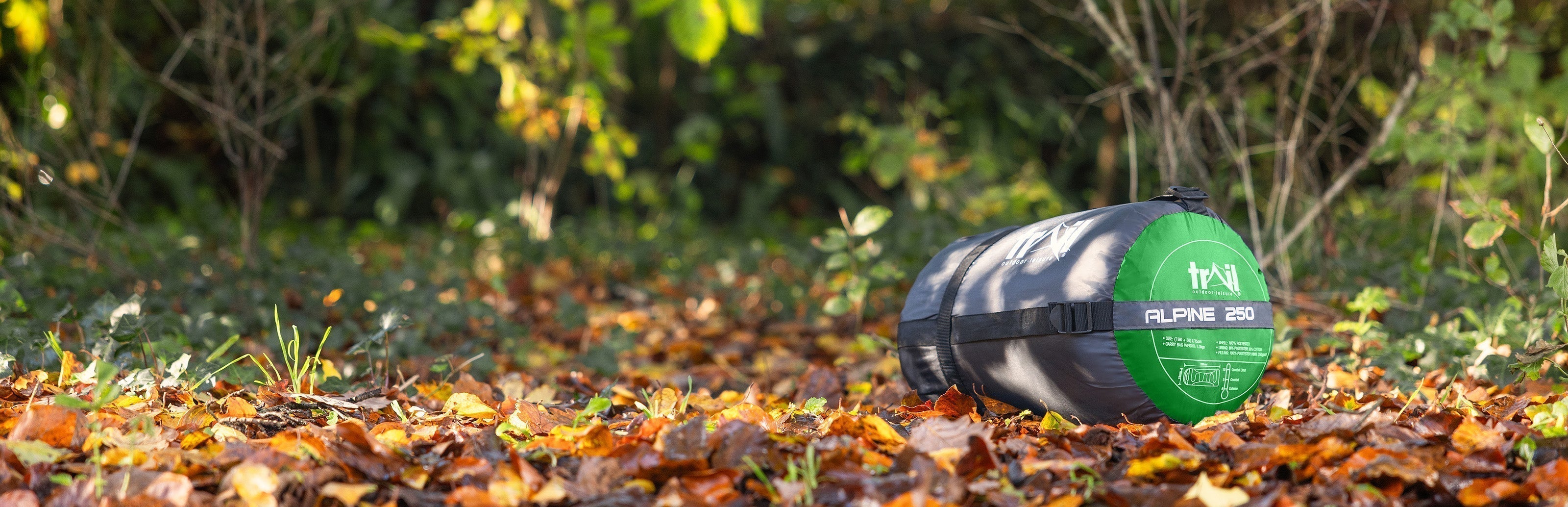
Compression storage bags feature compression straps to reduce a sleeping bags packed side and make it easier to store and carry. Lightweight and compact, they’re especially useful when travelling to campsites and festivals where space is limited.
Internal Storage Pouches
Many sleeping bags have internal storage pouches which provide a handy place to keep valuables and small essentials close by while sleeping. Ideal for storing items like phones, keys, and torches, they add extra convenience when camping.
Compare our Sleeping Bags
Looking to compare different sleeping bag styles, shapes, and temperature ratings? Read our Compare Our Sleeping Bags guide to explore the best options for different camping trips, seasons, and comfort preferences.