

The UK is home to thousands of incredible places to camp, but the thought of getting soaked is often what puts people off. Yes, the Great British Outdoors can be damp—but staying dry is absolutely possible if you know how. Here are our top tips.
Is My Tent Waterproof?

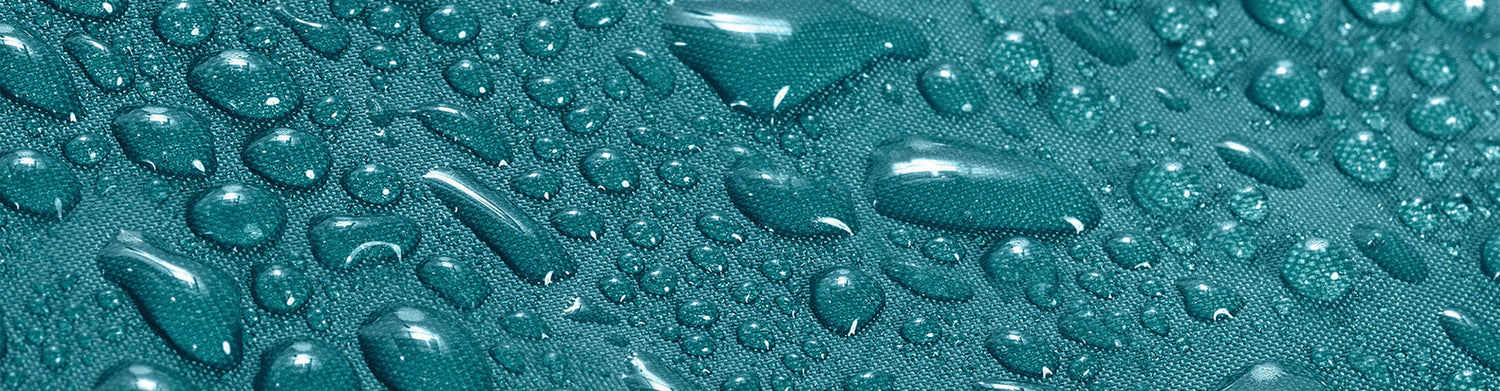
Before anything else, check your tent’s waterproof rating. This is measured in Hydrostatic Head (HH), shown in millimetres (mm). HH tells you how much water pressure the tent fabric can withstand before it starts to leak. The higher the HH rating, the better.
- A tent is considered waterproof from 1500mm HH upwards.
- All Trail tents are rated at 3000mm HH or more, making them ideal for typical UK conditions.
- For very wet or stormy trips, consider upgrading to 5000mm HH.
Even with a high waterproof rating, moisture can still get inside your tent. Leaks are possible—but the most common cause of dampness is condensation.
What Causes Condensation?
Condensation forms when warm, moist air inside your tent meets the cooler tent walls. The average person exhales around a pint of moisture while sleeping, so the more people in the tent, the greater the condensation build-up.
How Can I Prevent Condensation?

1. Prioritise Ventilation
Good airflow is the best defence against condensation. All Trail tents are designed with ventilation points—make sure they’re fully opened. They allow air in but keep rain out. On warm days, open your tent doors to let heat escape, preventing condensation overnight.

2. Pick the Right Pitching Location
Where you pitch your tent has a big impact on overnight moisture levels:
- Avoid spots close to water or in low valleys, where humidity is naturally higher.
- Pitches in direct sunlight with no breeze can overheat during the day, causing more condensation as the air cools in the evening.
- Aim for a well-ventilated, slightly elevated spot with a natural breeze.

3. Store Wet Gear Outside
Wet boots, waterproofs, and towels add unnecessary moisture to the air inside your tent. If possible, keep them in a porch area, under a covered tarp, or in your vehicle.

4. Avoid Touching the Tent Walls
If you or your belongings press against the tent walls, water can transfer through the fabric. Leave a small gap between your kit, your sleeping bag, and the outer walls.
5. Wipe Down When Needed
Condensation is normal. Simply wipe it away with a microfibre cloth or towel. When packing up, let your tent dry as much as possible to prevent mildew.
Stay Dry & Enjoy Your Adventure
Now that you know how to stay dry when camping, you can head out confidently and enjoy exploring even the wildest corners of the UK in comfort.